Many people experience the uncomfortable sensation of ear fullness or pressure at some point in their lives. It can feel as though the ears are blocked, underwater, or unable to “pop.” Sounds may seem muffled, and you may feel pressure deep inside the ear.
While this sensation is common, it can be frustrating when it persists. Ear pressure can be caused by several different conditions, ranging from earwax blockage to congestion or sinus problems. In some cases, pressure may also occur during air travel or altitude changes.
At Pro Ear Clinic, patients frequently visit because they feel pressure or fullness in their ears but are unsure of the cause. Understanding what creates this sensation is the first step toward finding the right treatment.
In this guide, we explain the most common causes of ear fullness and pressure, how the ear’s pressure system works, and when professional treatment may be needed.
Understanding Ear Pressure: How the Ear Regulates Balance
Inside the ear is a small passage called the Eustachian tube, which connects the middle ear to the back of the nose and throat. This tube helps regulate pressure on both sides of the eardrum.
Under normal conditions, the Eustachian tube opens briefly when you:
- swallow
- yawn
- chew
- talk
This allows air pressure to equalise and keeps the ears comfortable.
However, if the tube becomes blocked or fails to open properly, pressure can build up in the middle ear. This leads to the sensation of:
- fullness
- pressure
- muffled hearing
- popping or clicking sounds
Several factors can interfere with this pressure balance.
Congestion and Sinus Problems
One of the Most Common Causes
Nasal congestion is a frequent cause of ear pressure. When you have a cold, flu, or sinus infection, inflammation in the nose and throat can block the Eustachian tube.
When this happens, air cannot move freely between the middle ear and the throat. As a result, pressure builds up behind the eardrum.
Symptoms of congestion-related ear pressure include:
- blocked nose
- sinus pressure
- headache
- temporary hearing changes
- ears that pop or crackle
This type of ear fullness often improves once the underlying congestion resolves.
Possible treatments include:
- nasal decongestants
- antihistamines for allergies
- steam inhalation
- hydration
If congestion persists for more than a couple of weeks, medical evaluation may be recommended.
Earwax Blockage
A Common Cause of Ear Fullness
Earwax build-up is another frequent reason for ear pressure.
Earwax (cerumen) plays an important role in protecting the ear canal from dust, bacteria, and debris. Normally, wax slowly moves outward and falls out naturally.
However, wax can accumulate and become impacted due to:
- cotton bud use
- wearing hearing aids or earphones
- narrow ear canals
- overproduction of wax
When wax blocks the ear canal, it can cause:
- ear fullness
- muffled hearing
- pressure sensation
- ringing in the ears (tinnitus)
- crackling sounds
In these cases, removing the wax often provides immediate relief.
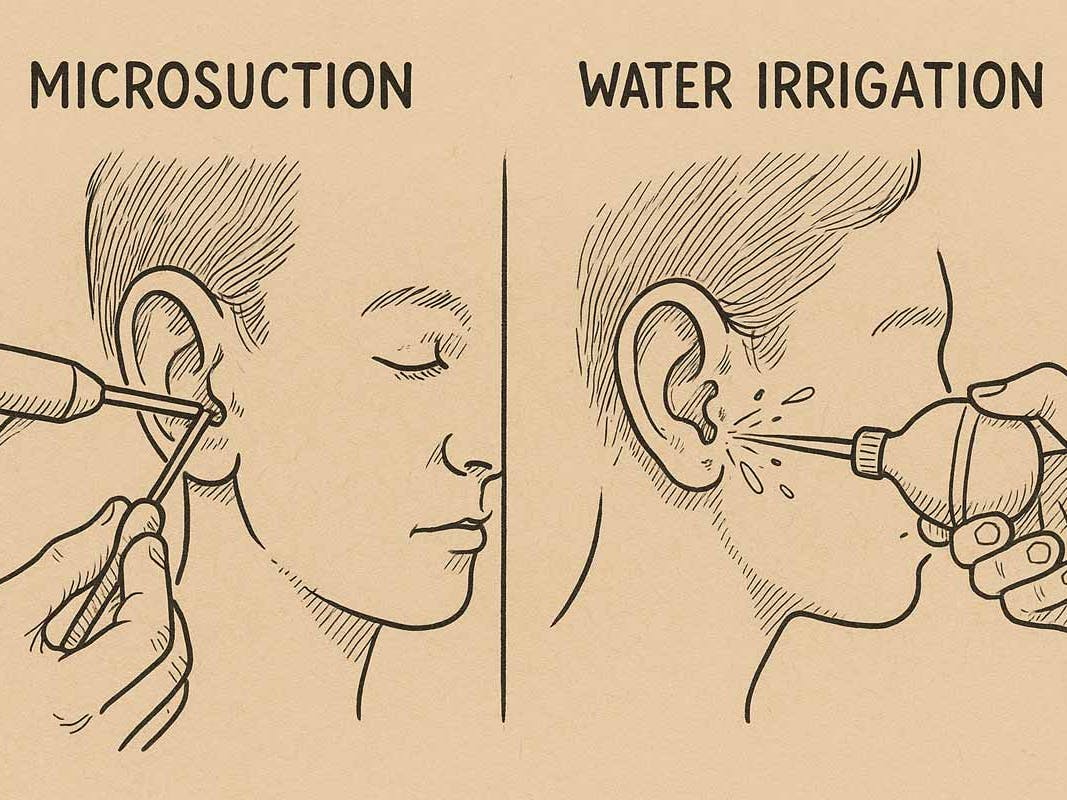
Microsuction is one of the safest and most effective methods used in clinics today. If earwax is the cause of your symptoms, you may benefit from Microsuction for Fullness.
Ear Infections
Pressure Caused by Inflammation
Ear infections can also create pressure in the ear.
When infection occurs, inflammation and fluid build-up develop inside the ear. This interferes with normal sound transmission and pressure balance.
Symptoms of infection-related ear pressure often include:
- ear pain
- swelling
- discharge
- fever or general illness
- reduced hearing
Infections should be treated medically before any wax removal procedures are considered.
If you experience pain along with ear pressure, it is important to seek medical advice to rule out infection.
Air Travel and Altitude Changes
Why Your Ears Feel Blocked When Flying
Changes in altitude can cause temporary ear pressure. This commonly happens during:
- airplane takeoff and landing
- driving in mountains
- rapid elevation changes
When altitude changes quickly, air pressure outside the ear changes faster than the pressure inside the middle ear.
Until the Eustachian tube equalises the pressure, you may experience:
- ear fullness
- muffled hearing
- popping sensations
- discomfort
Most of the time the ears adjust naturally within a few minutes.
However, if the ears are already congested or blocked with wax, equalising pressure becomes more difficult.
For tips on managing ear pressure during flights, see our guide:
Flying With Blocked Ears.
When Ear Fullness Should Be Treated
Occasional ear pressure is normal and often resolves on its own.
However, professional assessment may be necessary if symptoms:
- last longer than one week
- significantly affect hearing
- occur in only one ear
- include pain or discharge
- cause dizziness or ringing
A clinician can examine the ear canal and determine whether wax, congestion, infection, or another issue is responsible.
Correct diagnosis is essential before treatment begins.
Treatment Options for Ear Fullness
Treatment depends entirely on the cause of the pressure.
Earwax Removal
If wax build-up is blocking the ear canal, microsuction can safely remove the blockage.
Benefits of microsuction include:
- precise removal
- immediate improvement in hearing
- minimal discomfort
- no water pressure
Many patients report that their ears feel instantly clearer once wax is removed.
Treating Congestion
If congestion is responsible, treatments may include:
- nasal steroid sprays
- antihistamines
- decongestants
- saline rinses
These treatments help reduce inflammation and restore normal Eustachian tube function.
Treating Infections
When infection is present, treatment may involve:
- antibiotic ear drops
- antifungal medication
- anti-inflammatory treatment
Wax removal should only occur once infection has resolved.
Why Self-Treatment Often Makes Pressure Worse
When ears feel blocked, many people instinctively try to fix the problem themselves using cotton buds or ear cleaning tools.
Unfortunately, this can worsen the situation.
Cotton buds frequently:
- push wax deeper into the ear canal
- compact wax against the eardrum
- irritate the ear canal
Instead of relieving pressure, this often creates more severe blockage.
Professional ear examination is always the safest approach.
How Pro Ear Clinic Can Help
At Pro Ear Clinic, we specialise in identifying and treating earwax-related ear pressure and fullness.
During an appointment, clinicians will:
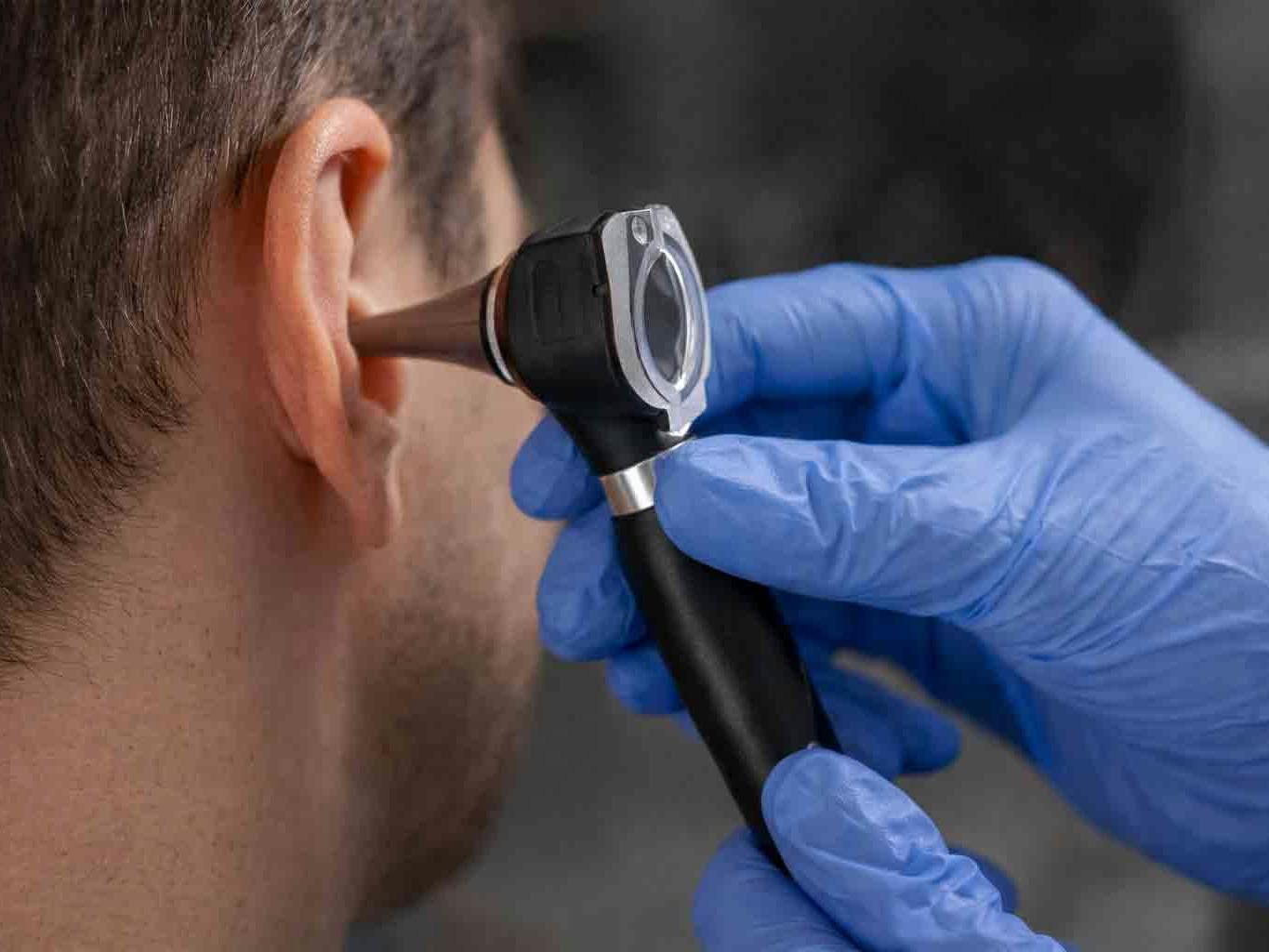
- examine the ear canal using magnification
- determine the cause of pressure
- safely remove wax if necessary
- provide guidance on preventing future problems
If your symptoms are caused by earwax build-up, microsuction can usually resolve the issue quickly.
Final Thoughts
Ear fullness and pressure can be uncomfortable and sometimes worrying, but they are often caused by treatable conditions.
The most common causes include:
- earwax blockage
- congestion or sinus issues
- Eustachian tube dysfunction
- infections
- pressure changes during air travel
Identifying the cause is essential for choosing the right treatment.
If ear pressure persists or affects your hearing, professional examination can provide reassurance and relief.
CLINIC AND HOME VISITS AVAILABLE
Ready to Book an Appointment?
If you're struggling with blocked ears, hearing loss, pressure, or ringing, professional treatment can make a dramatic difference—often in minutes.
We offer both clinic and home visit appointments across Bristol.