Microsuction has become the preferred method of earwax removal across the UK, and for good reason. It is safe, gentle, precise, and suitable for most patients—including those with sensitive ears, perforated eardrums, or who have experienced complications with syringing in the past. At Pro Ear Clinic, we use advanced equipment and best-practice clinical protocols to ensure each patient receives comfortable, effective treatment.
If you’re visiting us for the first time, you may be wondering what actually happens during microsuction, what equipment is used, and whether the process is genuinely as quick and safe as people say. This guide takes you step-by-step through the entire procedure so you know exactly what to expect before your appointment.
What Is Microsuction?
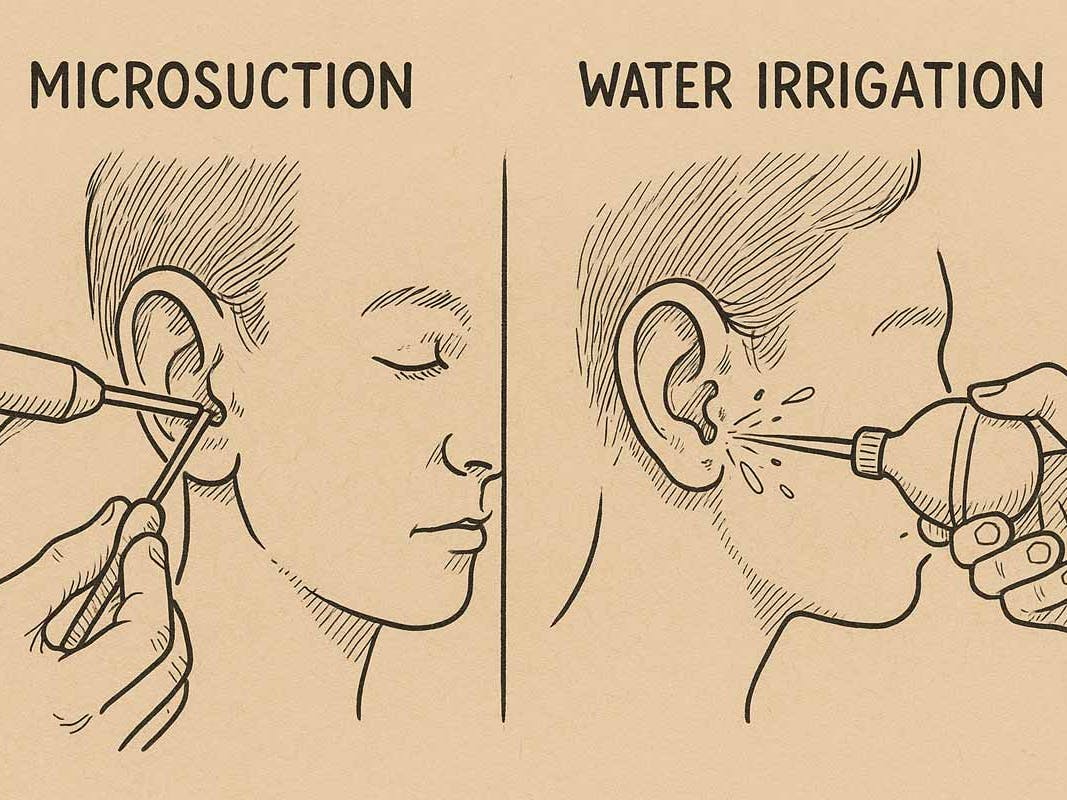
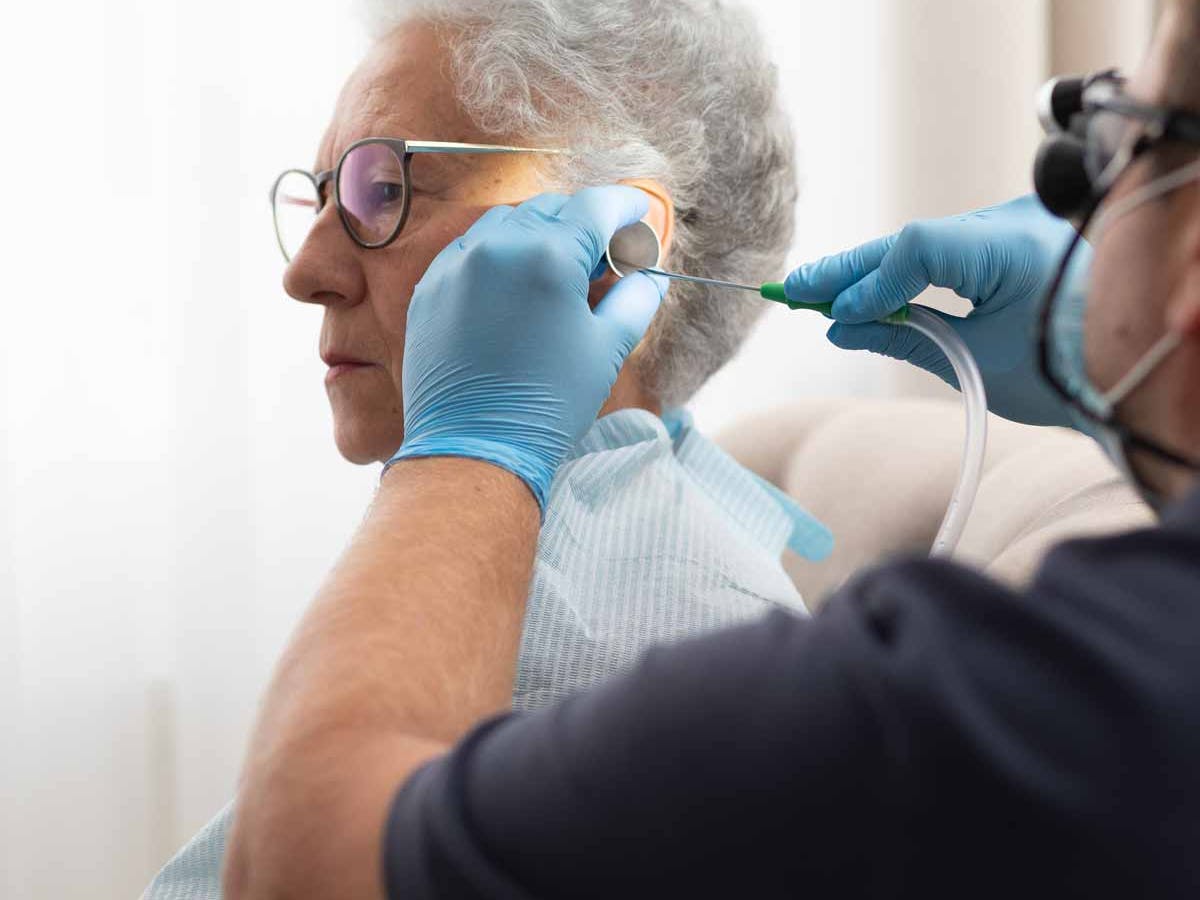
Microsuction is a modern clinical procedure designed to remove earwax safely using gentle suction technology. Unlike traditional syringing or irrigation, microsuction does not use water. Instead, it relies on a small, controlled suction device to extract wax while the clinician views the ear canal through a high-magnification microscope.
Because the clinician can see exactly what they are doing throughout the procedure, microsuction is considered the gold standard for earwax removal in the UK and is used in both the NHS and private clinics.
Why Earwax Builds Up in the First Place
Earwax (cerumen) is a protective substance that traps dust, moisturises the skin inside the ear canal, and prevents infection. However, wax can become problematic when:
- It becomes dry or compacted
- Cotton buds push it deeper into the canal
- Ear canals are naturally narrow
- Hearing aids or earplugs trap wax
- The skin becomes irritated or inflamed
- Overuse of drops or self-cleaning methods causes blockage
Microsuction is designed to remove this build-up safely without damaging the ear canal or eardrum.
Equipment Used in Microsuction
Microsuction relies on two key pieces of specialist equipment:
1. Clinical Microscope or Video Otoscope
At Pro Ear Clinic, we use high-magnification surgical loupes or video otoscopy to ensure a clear, illuminated view of the ear canal. This is essential for accurate, safe wax removal.
The microscope allows the clinician to:
- Identify the type of blockage (soft, hard, dry, impacted)
- Locate the safest approach for removal
- Monitor every movement during the procedure
- Confirm whether the ear is clear at the end
The ability to see inside the ear throughout the process is what sets microsuction apart from older methods.
2. Gentle Suction Device
The suction tool is a small, fine-tipped medical instrument designed to lift wax from the canal without using water. It works similarly to a miniature vacuum—very controlled, precise, and gentle.
This suction device:
- Removes wax in a targeted and controlled way
- Reduces the risk of infection
- Avoids moisture, making it ideal for perforations
- Allows for removal of both soft and hard wax
In some cases, small additional instruments (such as micro-forceps or a Jobson Horne probe) may be used to assist with removal.
Step-by-Step Walkthrough of Your Appointment
If it’s your first time visiting Pro Ear Clinic, here’s what happens during your appointment from start to finish.
1. Initial Consultation and Medical History
Your clinician will discuss:
- Your symptoms (blocked ears, hearing loss, pressure, ringing)
- Any previous ear problems
- Use of drops or self-cleaning attempts
- Medical conditions that may affect treatment
This ensures microsuction is safe and appropriate for you.
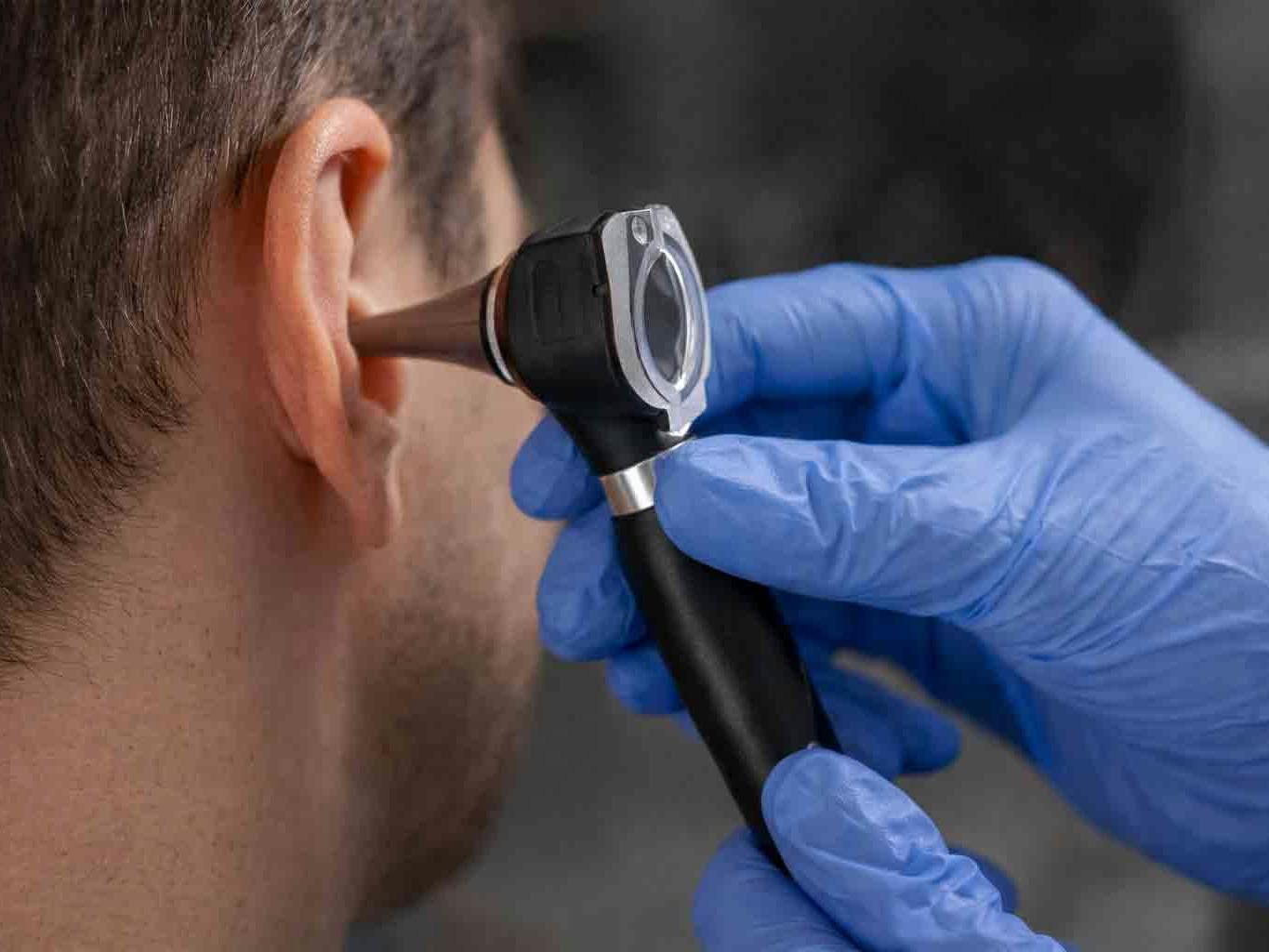
2. Pre-Treatment Ear Examination
Using a video otoscope, the clinician examines each ear to check:
- The type of wax present
- Whether there is inflammation or infection
- The condition of the ear canal and eardrum
- Whether microsuction or another method is most suitable
At this point, you will see your ear on screen (if video otoscopy is used), making the process transparent and reassuring.
3. Microsuction Wax Removal
Once the examination is complete, the clinician begins the removal process.
Here’s what to expect:
- A gentle suction sound, similar to a soft “whoosh” or light hum
- Occasional changes in pitch as wax is removed
- A feeling of movement or light pressure inside the ear
- Brief pauses while the clinician adjusts the angle or reassesses the ear
Most patients describe microsuction as comfortable, quick, and surprisingly satisfying. The majority of appointments take 10–20 minutes depending on how impacted the wax is.
If one ear is fully blocked, your hearing may suddenly improve the moment the wax is cleared—this is completely normal.
4. Post-Treatment Check
After removal, the clinician:
- Re-examines the ear canal
- Ensures all wax is cleared
- Checks for any underlying issues
- Shows you the results on the screen
You will also receive personalised advice for future ear care.
Safety Benefits Compared to Older Methods
Many patients choose microsuction because it offers significant advantages over syringing or irrigation. For more detail, you can also read our full guide: Microsuction vs Syringing.
1. No Water Used
Water-based methods carry risks such as:
- Infection
- Ear canal irritation
- Perforation in susceptible ears
Microsuction avoids these risks entirely.
2. Continuous Visibility
Because the clinician sees everything in real time, microsuction is:
- More accurate
- More controlled
- Safer for sensitive or complicated ears
3. Suitable for Perforated Eardrums
Patients with perforations, grommets, or chronic infections cannot safely undergo syringing. Microsuction is the recommended method for them.
4. Lower Risk of Complications
The procedure minimises:
- Discomfort
- Water retention
- Dizziness
- Infection
This is why microsuction is widely recommended by audiologists, ENT specialists, and hearing professionals.
Who Is Microsuction Suitable For?
Microsuction is ideal for most patients, including:
- People with blocked or reduced hearing
- Those who have used cotton buds or pushed wax deeper
- Patients who have had unsuccessful syringing
- Hearing aid users
- Children (usually from age 5+) depending on cooperation
- Patients with tinnitus
- Individuals with narrow or sensitive ear canals
- People with perforated eardrums
If wax is extremely hard or dry, you may be advised to use olive oil drops for a few days before your appointment to soften it.
What to Expect After Treatment
Most patients experience immediate relief and clearer hearing straight away. After microsuction, it is normal to experience temporary:
- Mild sensitivity
- Light crackling sounds
- Slight dizziness (rare and short-lived)
- A feeling of openness or “echoing” as the ears readjust
These sensations usually settle within a few hours.
Red Flags to Watch For
While complications are very rare, contact the clinic if you experience:
- Persistent pain
- Prolonged dizziness
- Discharge from the ear
- Hearing that does not return after wax removal
Your clinician will advise you on the next steps.
Does Microsuction Hurt?
Most patients are pleasantly surprised by how comfortable the procedure is.
To read more about this, visit our blog: Does Earwax Removal Hurt?
Book your Appointment
Your Ears. Our Care.
Wherever You Are in Bristol.
We provide professional ear wax removal in the comfort of your own home across the Bristol area.
Appointments are limited, secure your spot online today.
Need care home visits or something else? Visit our services page for more options.